










 |
|
Women Igniting Change |
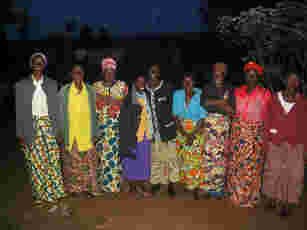
"aBUHUJAMATIMA"
|
PHOTO BY KPIX NEWS
In just 100 days between
April and July of 1994, more than 800,000 Rwandans – 15% of the
country’s population and 70% of its Tutsis – were terminated in a
genocide that the international community largely left alone on the
ground. Though planned months in advance, the mass killing began
after the assassination of the country’s ethnic Hutu president.
The violent deaths were perpetrated mostly by the Hutu majority
against Tutsis and moderate Hutus. The victims were massacred with
machetes at churches, schools, hospitals, and roadblocks. The
extermination of unarmed civilians was accompanied by widespread rape
and torture. Of the Rwandan women who
survived, many had been infected with sexually transmitted diseases
including HIV/AIDS. Today, countless women in Rwanda not only live with
the trauma of the genocide, but also cope daily with a lack of basic
necessities including medical care. Despite unimaginable
hardships, the women of Rwanda are key to the country’s reconstruction
and healing. In the aftermath of the genocide, one particular group of Rwandan women called Abuhujamatima, or "Those who are one with one heart," has come together to support each other in a collective effort to help heal emotionally and physically. According to Dana King of CBS 5 KPIX News, who featured the group in her report entitled "Horror to Hope: Rwanda After the Genocide," the women of Abuhujamatima represent the second phase of the genocide: "The U.N. reports that Hutu attackers raped at least 250,000 women, deliberately choosing HIV positive men to do it. They succeeded in infecting roughly seventy percent of their victims. Hutus considered giving Tutsi women AIDS the second phase of the genocide."
While many of the women of Abuhujamatima and their
young children are infected with HIV, none of them are getting treatment
for the disease. The women have no access to AIDS treatment or
antiviral drugs. And yet, in the face of recovering from such horrifying atrocities, the women of Abuhujamatima ask not for personal pity or material gifts, but for justice. Speciose Mukandori, the leader of the association, expressed this plea in King's Rwanda report: "We need you to bring out our message. Many of these killers are hiding in your countries. Many of them are in America, in Europe, in many other different countries. We need you to help the government to bring back those killers so that they can be judged according to what they deserve...after that we might even forget and forgive." Spark’s Kickoff Event recognized and supported the efforts of this courageous group of women. All of the proceeds of our event that evening will go to the women of Abuhujamatima, so that they may continue their inspiring efforts to spark global change. Link to "Horror to Hope: Rwanda After the Genocide," reported by Dana King of CBS 5 KPIX News.
|